
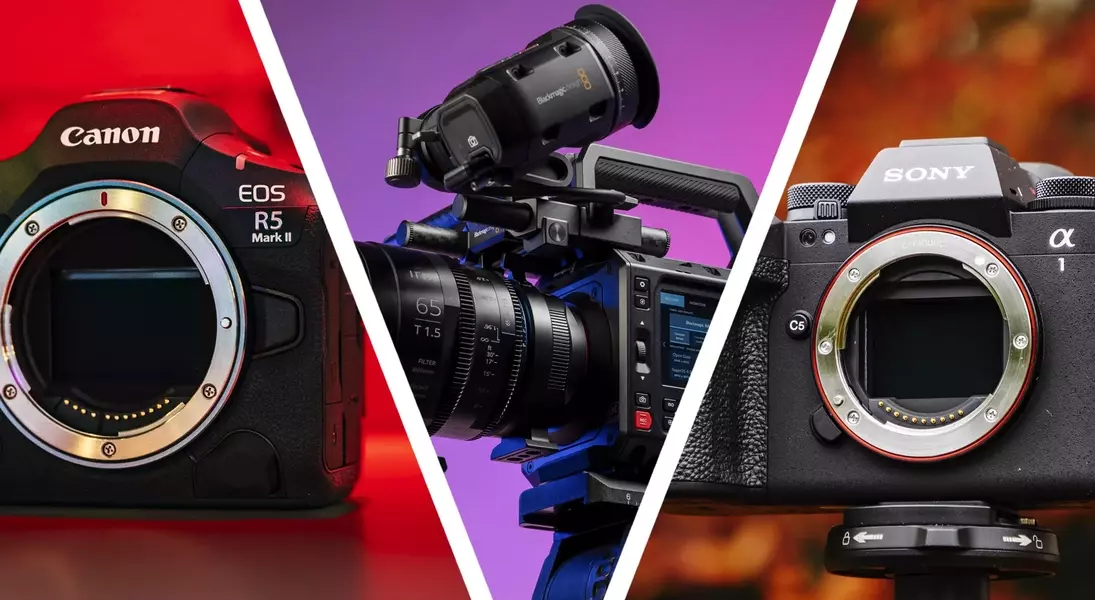
In the evolving landscape of camera technology, discerning true value requires a comprehensive understanding of what each brand offers beyond its price tag. The camera market in 2025, characterized by a shift towards advanced models, still presents opportunities for finding exceptional value. This analysis delves into the offerings of ten leading camera manufacturers, ranging from luxury options to more accessible choices, to determine which brands provide the most compelling combination of performance, features, and cost-effectiveness. Understanding these dynamics is crucial for consumers seeking the optimal camera investment.
Assessing camera value transcends mere affordability; a premium model can still represent significant worth if its capabilities justify the expense, while a budget-friendly option might prove to be a poor investment if it compromises too heavily on essential features. The ranking presented herein considers various aspects, including technological innovation, build quality, ecosystem support, and lens affordability. This evaluation aims to guide photographers and videographers in making informed decisions, highlighting brands that truly deliver more for their money in the current competitive environment.
The Value Spectrum: From Luxury to Accessible
Exploring the camera market reveals a diverse range of brands, each with unique strengths and target audiences. On the higher end, manufacturers like Leica and Hasselblad cater to a niche segment, offering unparalleled craftsmanship and advanced features at a premium. For instance, Leica's M11-D, with its high-resolution sensor and robust build, represents a pinnacle of engineering, albeit at a price point that places it out of reach for most consumers. Similarly, Hasselblad's X2D 100C and 907X CFV 100C, featuring large medium-format sensors and integrated storage, stand as testament to high-end innovation, justifying their cost with superior technology.
Moving towards the mainstream, brands like Sony and Canon command a significant market share due to their comprehensive mirrorless ecosystems. While their flagship models, such as Sony's A1 II and Canon's EOS R5 Mark II, offer cutting-edge performance, they often come with a substantial price tag, particularly for proprietary lenses. However, these brands also provide more entry-level options, like the Canon EOS R100, which offers a more accessible entry point into mirrorless photography. Fujifilm strikes a balance with its retro-inspired designs and advanced APS-C cameras, though its pricing strategy appears to be moving towards a more premium positioning. Sigma, primarily known for its high-quality yet affordable third-party lenses, occasionally ventures into camera manufacturing, delivering innovative but sometimes niche products. Blackmagic excels in the video segment, offering professional-grade cinema cameras at competitive prices, though they may not be ideal for still photography. Finally, OM System and Panasonic, leveraging the Micro Four Thirds format, deliver compact yet powerful cameras with strong computational features and a wide range of compatible lenses, often at more attractive price points. This diverse landscape means consumers have a plethora of choices, each with its own value proposition depending on their specific needs and budget.
Nikon's Ascent: Redefining Camera Value
In a surprising turn, Nikon has emerged as the leading brand for value in the 2025 camera market. Historically a major player, Nikon's recent strategy has positioned its cameras as highly competitive alternatives across various segments. When comparing models directly against rivals from Sony and Canon, Nikon's offerings consistently present a more favorable price-to-performance ratio. For example, the Nikon Z8 stands as a robust contender against high-end mirrorless cameras but at a significantly lower cost. Similarly, the Nikon Z6 III, despite being a newer and more advanced model, is priced more affordably than its direct competitors, securing its place as a top choice for mirrorless cameras.
Nikon's commitment to value extends throughout its product line. The Nikon Z5 II has elevated the standard for entry-level full-frame cameras, while the Z50 II provides a capable APS-C option. For content creators and vloggers, the Nikon Z30 is among the most budget-friendly mirrorless choices available. Even its stylish retro-designed cameras, such as the Nikon Zf and Zfc, offer excellent features without the steep prices seen in other premium retro brands. While some of Nikon's professional-grade lenses can be expensive, the overall trend points to a deliberate effort to provide accessible quality. This consistent focus on delivering exceptional features and performance at competitive prices has firmly established Nikon as the undisputed leader in camera value for 2025.